
Call us now :08045816760
 Send Inquiry
 Send Inquiry
Bentonite Roasted Granules
Bentonite Roasted Granules Specification
- Ingredients
- Bentonite clay (primarily montmorillonite)
- Appearance
- Brown to reddish granular solid
- Properties
- Swelling absorbent high cation exchange capacity
- EINECS No
- 215-108-5
- Storage
- Store in a dry ventilated area away from moisture.
- CAS No
- 1302-78-9
- Density
- 2.5 Gram per cubic centimeter(g/cm3)
- Poisonous
- NO
- HS Code
- 2508.10
- Melting Point
- Does not have a sharp melting point decomposes above 1200C
- Molecular Formula
- Al2H2Na2O13Si4
- Shelf Life
- 2 years when stored under recommended conditions.
- Molecular Weight
- 422.286 g/mol
- Smell
- Odorless
- Usage
- Commonly used in agriculture for controlled release of fertilizers and pesticides.
- Physical Form
- Granular solid
- Solubility
- Insoluble in water swells in water
- Taste
- Bentonite Roasted Granules are tasteless.
- Grade
- Technical grade
- Ph Level
- 8.5-10.5
- Application
- Used as a carrier in agrochemicals pesticides and fertilizers; also utilized in oil drilling and as an absorbent.
- Structural Formula
- Layered structure of aluminosilicate sheets with exchangeable cations.
- Shape
- Granular irregular shape
- Purity
- 99% (clay content)
About Bentonite Roasted Granules
Bentonite Roasted Granules
Composition and Properties:
| Particulars | Contents |
| Appearance | Granular |
| Colour | Black |
| Liquid Holding Capacity | 15-20% |
| Bulk Density | 1-1.2 gm/ml |
| Moisture | 3% max. |
CHEMICAL PROPERTIES
Silica (SiO2) : Min. 40%
Iron (Fe2O3) : Min. 10%
Magnesium (MgO) : Min. 5%
Manganese (Mn) : Traces
Calcium (CaO) : Min 4%
Versatile Agricultural Applications
Bentonite Roasted Granules are widely used in agriculture due to their ability to slowly release fertilizers and pesticides. Acting as effective carriers, they ensure nutrients are delivered steadily to crops, optimizing growth and minimizing environmental impact. Their swelling property enhances soil structure, benefiting yield.
Reliable Absorbent for Industrial Uses
Highly absorbent, these granules support various industrial applications including oil drilling and chemical spill management. Their layered structure allows for high cation exchange, making them suitable for absorbing liquids and controlling moisture levels in diverse settings.
Storage and Shelf Life
Stored under recommended conditionsdry and ventilatedBentonite Roasted Granules maintain their effectiveness for up to two years. Proper storage prevents moisture absorption, which is crucial for preserving their granular form and functional properties.
FAQs of Bentonite Roasted Granules:
Q: How should Bentonite Roasted Granules be stored to maximize shelf life?
A: Store the granules in a dry, well-ventilated area away from moisture. This helps maintain their granular structure and ensures up to two years of shelf life.Q: What is the primary use of Bentonite Roasted Granules in agriculture?
A: They are primarily used as carriers for fertilizers and pesticides, enabling controlled release and enhanced nutrient delivery to crops.Q: When is Bentonite Roasted Granules most effective for agricultural application?
A: They are most effective when incorporated into soil at the time of planting or during routine fertilization, ensuring optimal release of agrochemicals.Q: Where else can Bentonite Roasted Granules be utilized besides agriculture?
A: Apart from agriculture, these granules are used in oil drilling as an absorbent and as a carrier in various industrial processes needing moisture control or chemical containment.Q: What process makes Bentonite Roasted Granules suitable as a carrier for fertilizers and pesticides?
A: Due to their high cation exchange capacity and swelling absorbent qualities, they can hold and gradually release agrochemicals, supporting efficient delivery to plants.Q: What benefits do Bentonite Roasted Granules offer compared to other carriers?
A: Their superior absorbency, inert taste, odorless nature, and ability to swell in water boost holding capacity and facilitate gradual nutrient release, improving soil health and plant growth.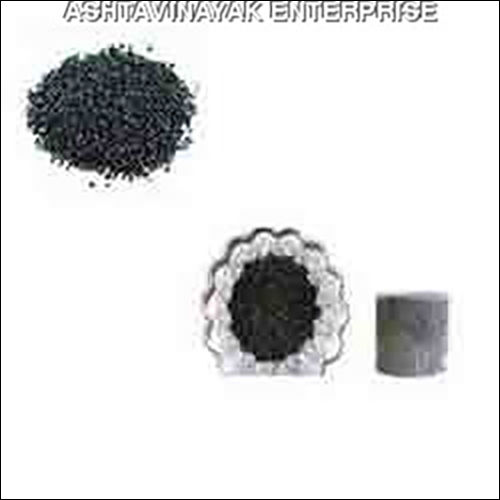
Tell us about your requirement

Price:
Quantity
Select Unit
- 50
- 100
- 200
- 250
- 500
- 1000+
Additional detail
Mobile number
Email

More Products in Agro Chemicals & Fertilizers Category
Compound Fertilizer
Melting Point : 155C
Molecular Formula : NPK
HS Code : 310510
Shelf Life : 2 years
Molecular Weight : Variable depending on ratio
Storage : Other, Store in cool, dry place, away from moisture and direct sunlight

Australian Seaweed Concentrate
Melting Point : N/A (liquid form)
Molecular Formula : N/A (complex natural extract)
HS Code : 3101.00.00
Shelf Life : 24 months from production date
Molecular Weight : N/A (complex natural extract)
Storage : Other, Store in a cool dry place away from direct sunlight
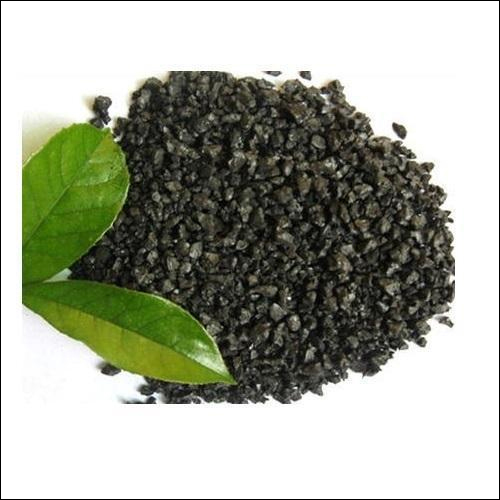
Potasium Humate Crystal
Melting Point : Decomposes upon heating
Molecular Formula : C9H8K2O4
HS Code : 38249992
Shelf Life : 2 years under recommended storage conditions
Molecular Weight : 274.36 g/mol
Storage : Store in a cool dry place away from direct sunlight, Other
Potassium Humate Crystal
Melting Point : Decomposes before melting
Molecular Formula : C9H8K2O4
HS Code : 38249992
Shelf Life : 24 months
Molecular Weight : 290.37 g/mol
Storage : Store in a cool dry place away from moisture, Other

 Send Inquiry

B-27, Shantisagar Apt, Nehru Road, Savarkar Lane, Dombivli (East), Thane - 421201, Maharashtra, India

Mr. Mehul Mehta
(Proprietor)
Mobile :08045816760
 Send Inquiry
 Send SMS
Developed and Managed by Infocom Network Private Limited.
