
Call us now :08045816760
 Send Inquiry
 Send Inquiry
Controlled Released Fertilizer
Controlled Released Fertilizer Specification
- Usage
- Provides a slow and steady release of nutrients into the soil
- Ph Level
- Neutral to slightly alkaline (6.07.5)
- Storage
- Store in a dry well-ventilated area away from moisture
- Structural Formula
- N/A (composite of multiple compounds)
- Application
- Used in agriculture horticulture and landscaping for nutrient supply
- Taste
- Odorless or bland
- Purity
- Typically 9099% active nutrient components
- Refractive Rate
- N/A (solid granules)
- Molecular Formula
- N/A (composite mixture: nitrogen phosphorous potassium)
- Properties
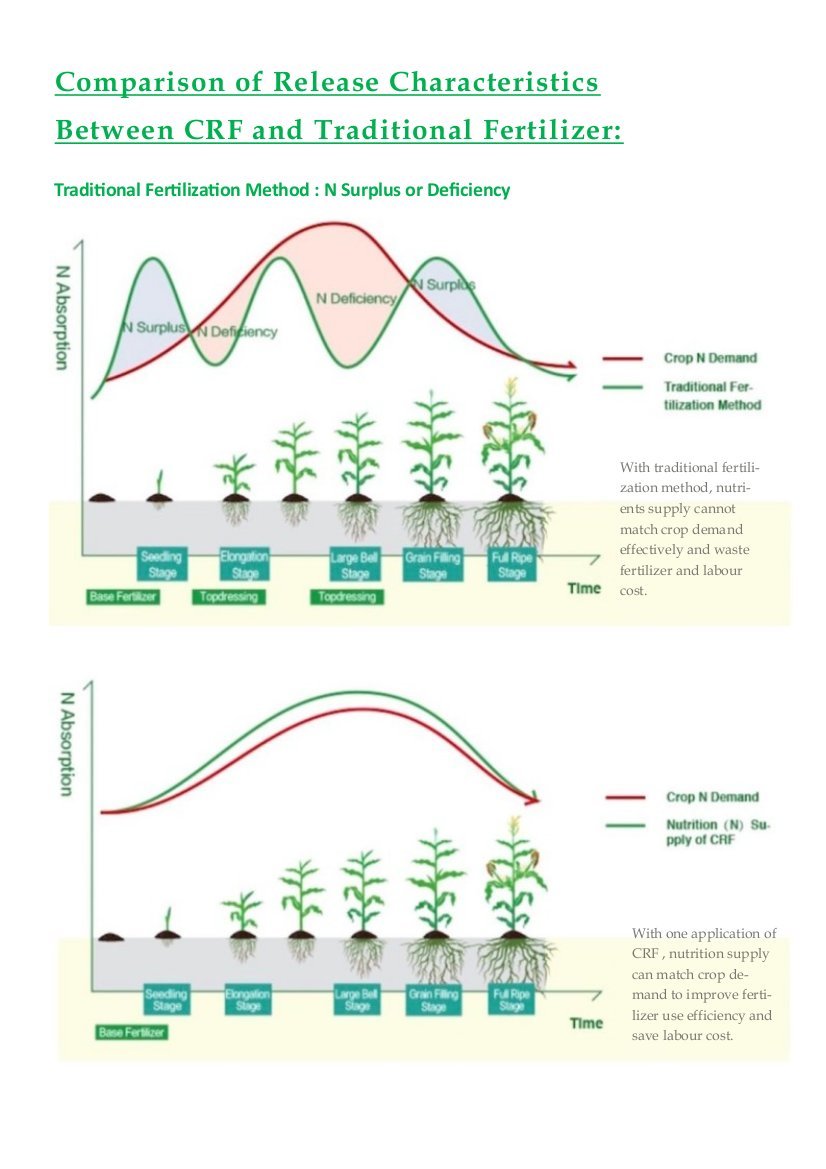
- Slow release of nutrients controlled absorption prevents over-fertilization
- Appearance
- Granular uniform pellets often coated
- HS Code
- 3105.90.00
- Smell
- No distinct smell
- Melting Point
- N/A (non-melting granular structure)
- Molecular Weight
- N/A (depends on specific composition)
- Poisonous
- NO
- Ingredients
- Nitrogen Phosphorous Potassium optional nutrients like magnesium sulfur and micronutrients
- Grade
- Agricultural/Horticultural grade
- Density
- 1.2 Gram per cubic centimeter(g/cm3)
- Physical Form
- Granules or pellets
- Shape
- Spherical or irregular granules
- CAS No
- N/A (composition varies; no single CAS number)
- Shelf Life
- 23 years under proper storage conditions
- Solubility
- Partially soluble in water (controlled release)
About Controlled Released Fertilizer
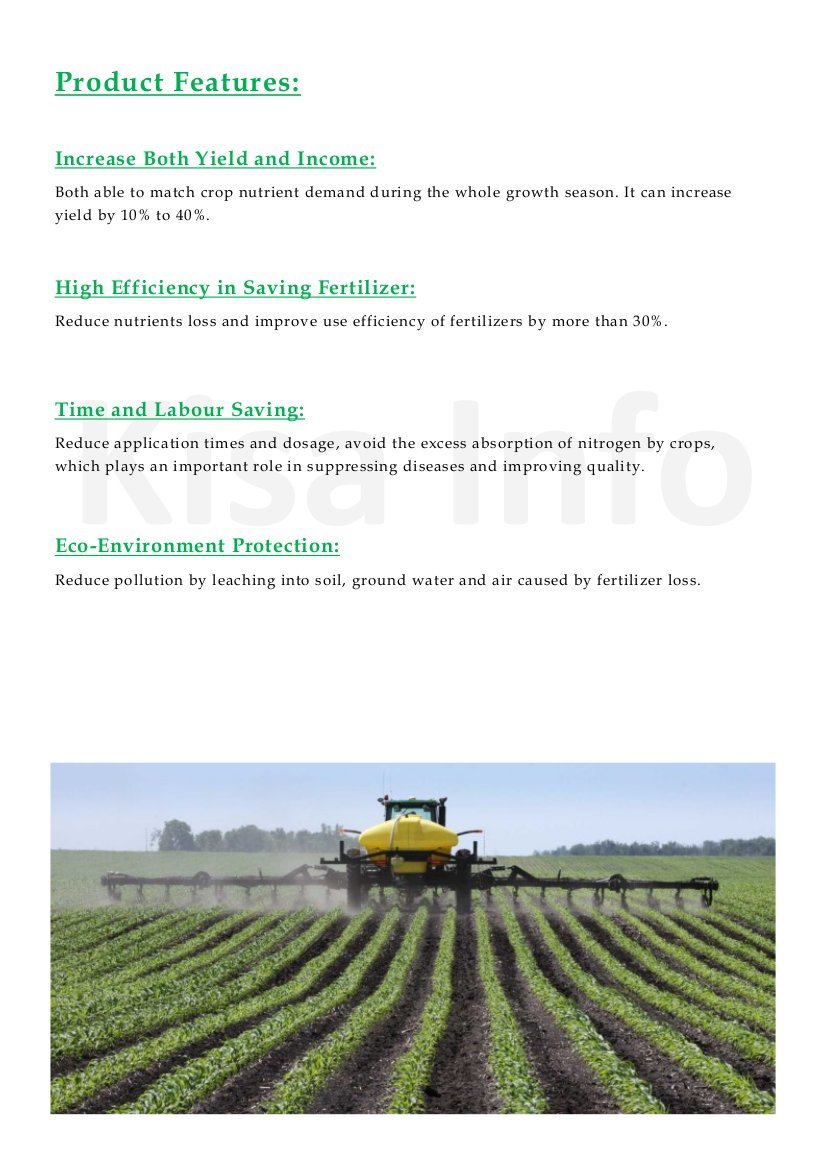
Experience the brilliance of Controlled Released Fertilizera top-tier nutrient blend acclaimed for its praiseworthy efficiency in agriculture, horticulture, and landscaping. Combining nitrogen, phosphorous, potassium, and optional micronutrients, this resplendent fertilizer is structured as uniform granular pellets, typically with 9099% active components and purity that ensures optimal crop health. With a slow, steady nutrient release, it prevents over-fertilization, making it a scarce deal for those seeking reliable supply and consistent growth. Shelf life reaches up to three years under proper storage. Exported and supplied from India, it promises sustained soil enrichment.
Features and Uses of Controlled Released Fertilizer
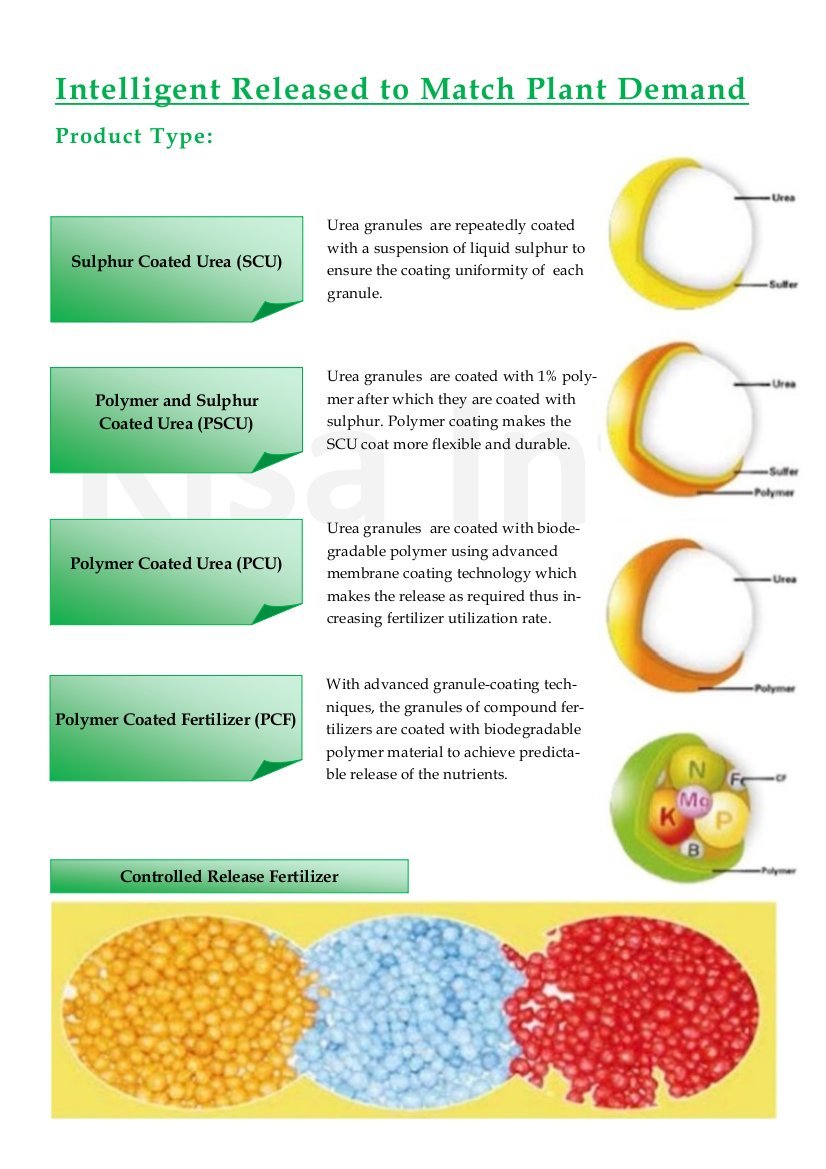
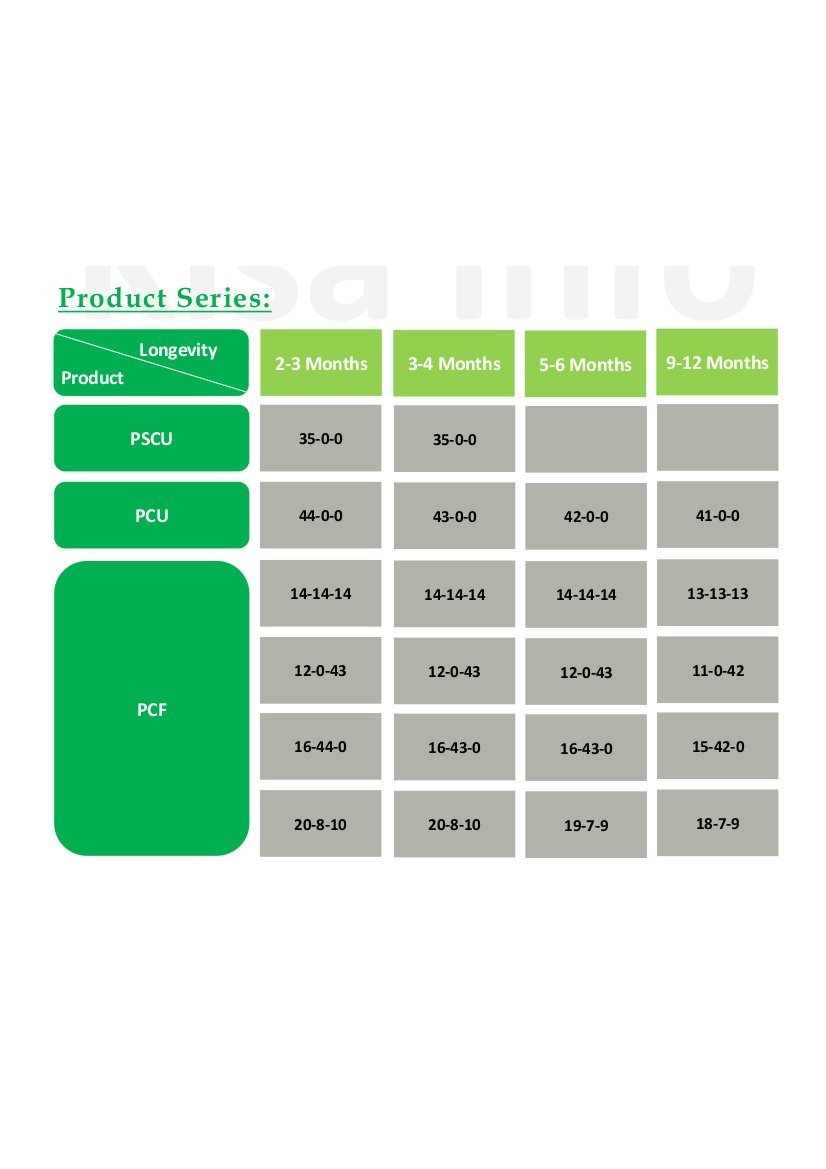
Controlled Released Fertilizer features uniform, spherical pellets that gradually release nutrients such as nitrogen, phosphorous, and potassium. Specifically designed for agricultural and horticultural applications, its general use extends to landscaping and other soil enrichment projects. The slow nutrient release curbs over-fertilization, making this use type ideal for both professional growers and casual gardeners seeking consistent nutrient supply without frequent application.
Supply Ability, Packaging, and Sample Policy
Supply ability covers bulk and retail requirements, with packaging options tailored to various proposal amounts. Fertilizer is packed in moisture-resistant bags or drums to preserve quality, and sample policy enables evaluation before any large investment or charge. Outlay for sample acquisition may be required, ensuring buyers can verify granule quality and controlled release efficiency before confirming full-scale orders.
Features and Uses of Controlled Released Fertilizer
Controlled Released Fertilizer features uniform, spherical pellets that gradually release nutrients such as nitrogen, phosphorous, and potassium. Specifically designed for agricultural and horticultural applications, its general use extends to landscaping and other soil enrichment projects. The slow nutrient release curbs over-fertilization, making this use type ideal for both professional growers and casual gardeners seeking consistent nutrient supply without frequent application.
Supply Ability, Packaging, and Sample Policy
Supply ability covers bulk and retail requirements, with packaging options tailored to various proposal amounts. Fertilizer is packed in moisture-resistant bags or drums to preserve quality, and sample policy enables evaluation before any large investment or charge. Outlay for sample acquisition may be required, ensuring buyers can verify granule quality and controlled release efficiency before confirming full-scale orders.
FAQs of Controlled Released Fertilizer:
Q: How should Controlled Released Fertilizer be stored for maximum shelf life?
A: It should be stored in a dry, well-ventilated area away from moisture to maintain its effectiveness and extend its shelf life up to three years.Q: What is the process behind its controlled nutrient release?
A: The fertilizers composition ensures nutrients are released gradually into the soil, preventing sudden nutrient surges and reducing the risk of over-fertilization.Q: When is the ideal time to apply Controlled Released Fertilizer?
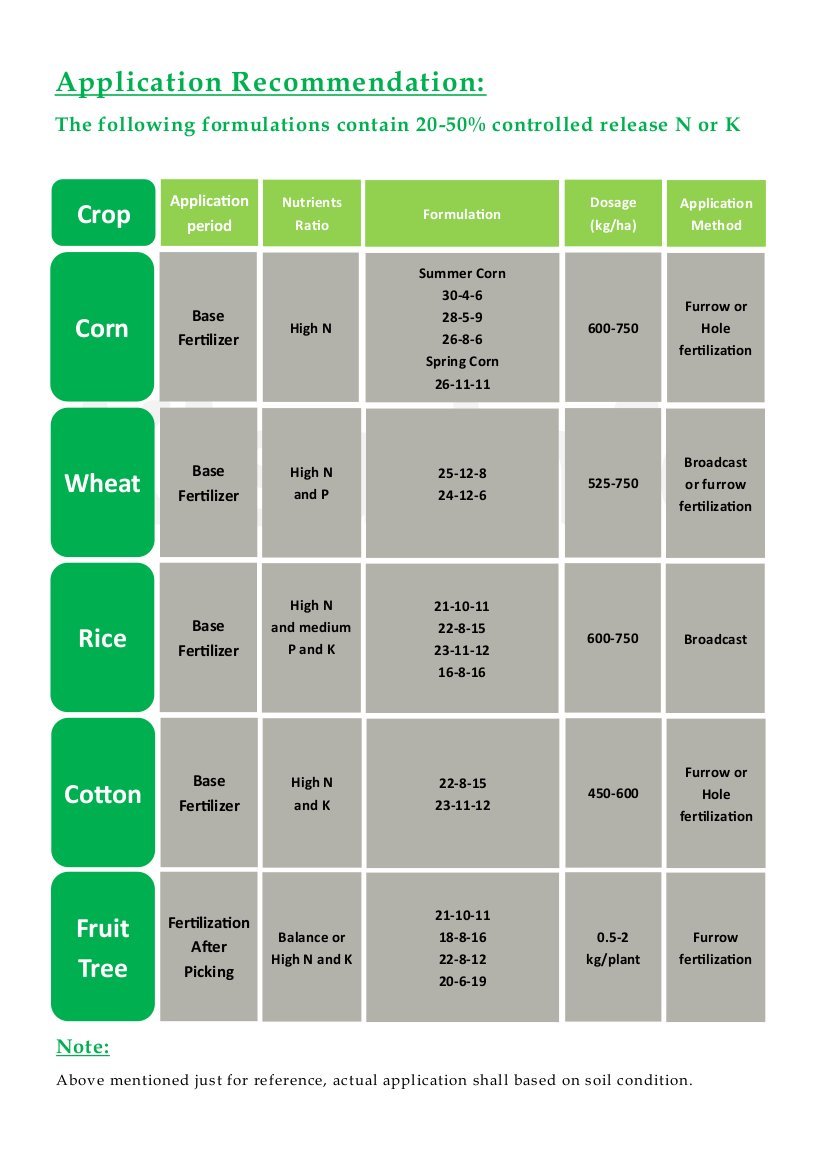
A: It is best applied before planting or at the beginning of the growing season, allowing for a slow and steady nutrient supply throughout plant development.Q: Where can Controlled Released Fertilizer be effectively used?
A: It is suitable for agricultural fields, horticultural operations, and landscaping projects where consistent nutrient delivery is needed.Q: What are the key benefits of using this fertilizer?
A: Key benefits include improved plant health, prevention of over-fertilization, and efficient utilization of nutrients over extended periods.Q: How does sample policy work before making a purchase?
A: Manufacturers or suppliers may offer samples for a small outlay or charge, allowing buyers to evaluate the granular quality and release performance prior to placing bulk orders.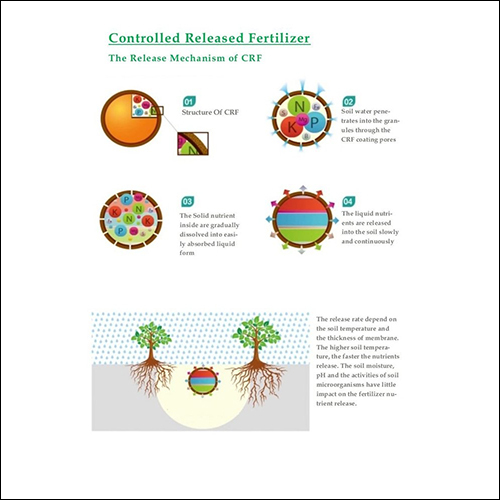
Tell us about your requirement

Price:
Quantity
Select Unit
- 50
- 100
- 200
- 250
- 500
- 1000+
Additional detail
Mobile number
Email

More Products in Water Soluble Fertilizer Category
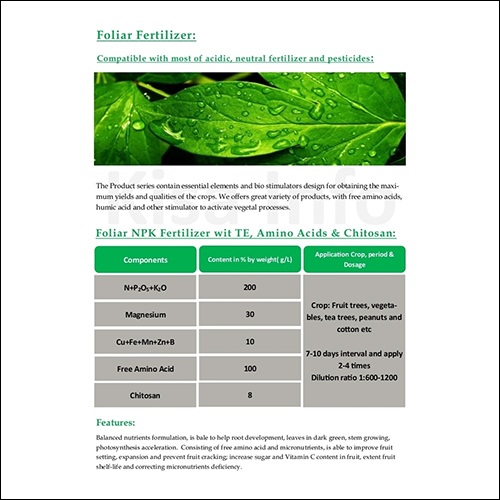
Foliar Fertilizer
Physical Form : Liquid or Powder (depending on the product variant), Other
Grade : Agricultural Grade
Solubility : Completely soluble in water
Shelf Life : 2 years if stored properly
EINECS No : Not Applicable
Shape : Not Applicable, other
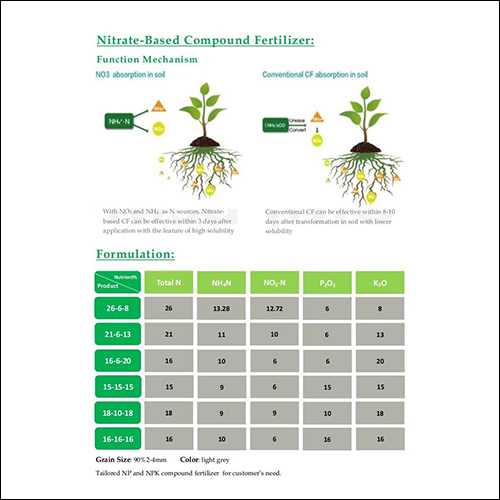
Nitrate Based Compound Fertilizer
Physical Form : Other, Granular
Grade : Agricultural Grade
Solubility : Highly soluble in water
Shelf Life : 24 months under proper storage conditions.
EINECS No : 2315543
Shape : Granule, other
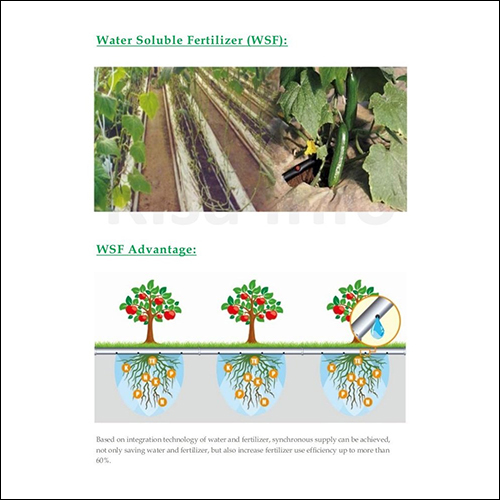
Water Soluble Fertilizer (WSF)
Physical Form : Other, Granular or crystalline powder
Grade : Agricultural Grade
Solubility : Fully watersoluble
Shelf Life : 23 years when stored properly
EINECS No : Variable; each component has its own EINECS number.
Shape : other, Granular or crystalline
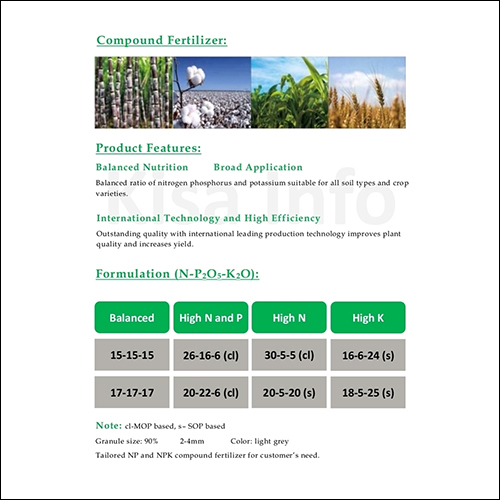
Compound Fertilizer
Physical Form : Other, Granules or powder
Grade : Agricultural grade
Solubility : Partially soluble in water
Shelf Life : 23 years under recommended storage conditions
EINECS No : N/A (mixture)
Shape : other, Granular or powdered

 Send Inquiry

B-27, Shantisagar Apt, Nehru Road, Savarkar Lane, Dombivli (East), Thane - 421201, Maharashtra, India

Mr. Mehul Mehta
(Proprietor)
Mobile :08045816760
 Send Inquiry
 Send SMS
Developed and Managed by Infocom Network Private Limited.
