
Call us now :08045816760
 Send Inquiry
 Send Inquiry
Nitrobenzene Emulsifiers
Nitrobenzene Emulsifiers Specification
- HS Code
- 290420
- Physical Form
- Liquid
- Melting Point
- 5.7C
- Poisonous
- YES
- Ingredients
- Nitrobenzene with additives for improved emulsification
- Structural Formula
- C6H5-NO2
- Grade
- Industrial grade
- Molecular Formula
- C6H5NO2
- Appearance
- Yellowish to pale liquid
- Properties
- Effective solvent high boiling point aromatic compound
- Shelf Life
- 2 years under proper storage conditions
- Storage
- Store in a cool dry and well-ventilated area away from flames and oxidizing agents
- Taste
- Bitter almond-like
- Application
- Used as an emulsifier in agriculture dyes and chemical intermediates
- Density
- 1.20 Gram per cubic centimeter(g/cm3)
- CAS No
- 98-95-3
- EINECS No
- 202-716-0
- Purity
- 99%
- Refractive Rate
- 1.553
- Smell
- Sweet almond-like
- Usage
- Primarily for enhancing the effectiveness of pesticides and agrochemical formulations
- Molecular Weight
- 123.11 g/mol
- Solubility
- Insoluble in water soluble in organic solvents
- Ph Level
- Neutral to slightly acidic
- Shape
- Liquid form
About Nitrobenzene Emulsifiers
Nitrobenzene Emulsifiers
ASHTAVINAYAK ENTERPRISE is well know name for offering Nitrobenzene Emulsifiers which is used as a flower booster and best part of this Nitrobenzene Emulsifiers is it is non-toxic and has no adverse effects on crops and plants.
Exceptional Solvent Properties for Industrial Use
Nitrobenzene emulsifiers deliver outstanding solvent capabilities due to their high boiling point and aromatic structure. Their compatibility with organic solvents and insolubility in water make them a preferred choice in numerous chemical industries, particularly for facilitating stable emulsions in pesticide and dye manufacturing.
Safety and Storage Precautions
Given the poisonous nature and flammable characteristics of nitrobenzene emulsifiers, storage guidelines are stringent. They must be kept in cool, dry, and well-ventilated spaces, away from open flames and oxidizing agents, to prevent hazardous incidents. Adhering to proper procedures ensures safety and preserves product effectiveness.
Versatile Applications Across Industries
Beyond their primary role in enhancing agrochemicals, nitrobenzene emulsifiers are integral to the production of dyes and act as chemical intermediates in various formulations. Their unique properties, including neutral to slightly acidic pH and superior emulsification, provide significant benefits across multiple industrial sectors.
FAQs of Nitrobenzene Emulsifiers:
Q: How should nitrobenzene emulsifiers be safely stored?
A: Nitrobenzene emulsifiers should be kept in airtight containers within cool, dry, and well-ventilated areas. Storage must avoid proximity to open flames and oxidizing agents to reduce the risk of harmful reactions or fire, given the compounds toxicity and flammability.Q: What are the main benefits of using nitrobenzene emulsifiers in agrochemical formulations?
A: These emulsifiers significantly enhance the effectiveness of pesticides by improving solubility and stability, ensuring even distribution and efficient application in agricultural settings. Their ability to create stable emulsions maximizes the efficiency of agrochemical products.Q: When is it advisable to apply nitrobenzene emulsifiers in agricultural processes?
A: Apply nitrobenzene emulsifiers during the formulation or mixing stage of pesticide or agrochemical production. This ensures optimal dispersion and effectiveness when used on crops or in soil treatments.Q: Where can nitrobenzene emulsifiers be used outside agriculture?
A: Apart from agrochemicals, nitrobenzene emulsifiers are utilized in the dye industry and as intermediates in various chemical syntheses, providing effective emulsification and solvent properties.Q: What is the process for handling nitrobenzene emulsifiers?
A: Handling requires wearing protective gear, including gloves and eye protection. Avoid inhalation and direct skin contact. Work in well-ventilated areas, and handle only with equipment resistant to aromatic solvents.Q: How does the physical appearance and odor help in identifying nitrobenzene emulsifiers?
A: Nitrobenzene emulsifiers are identifiable as yellowish to pale liquids with a distinct sweet, bitter almond-like smell. These physical cues assist in product confirmation and quality checks.Q: What is the typical shelf life and how can it be maintained?
A: The typical shelf life is two years when stored properly as recommended. Keeping the emulsifier sealed, away from moisture, heat, and direct sunlight maintains its purity and effectiveness.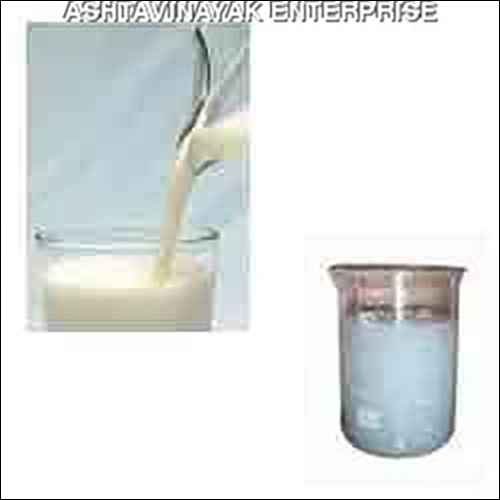
Tell us about your requirement

Price:
Quantity
Select Unit
- 50
- 100
- 200
- 250
- 500
- 1000+
Additional detail
Mobile number
Email

More Products in Agro Chemicals & Fertilizers Category

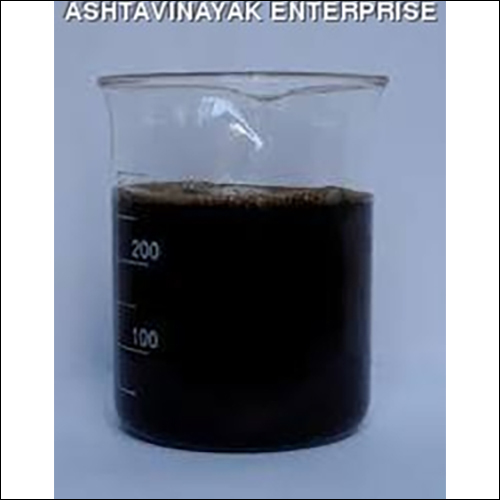
Australian Seaweed Concentrate
CAS No : N/A (natural product)
EINECS No : N/A (natural product)
Usage : Dilute with water and apply as foliar spray or soil drench
Smell : Other, Oceanic slightly earthy
Purity : N/A (blend of natural compounds)
Molecular Weight : N/A (complex natural extract)
Zyme Liquid
CAS No : 64197
EINECS No : 2005807
Usage : Ideal for textile manufacturing wastewater treatment and agriculture
Smell : Other, Mild
Purity : 98%
Molecular Weight : 60.05 g/mol
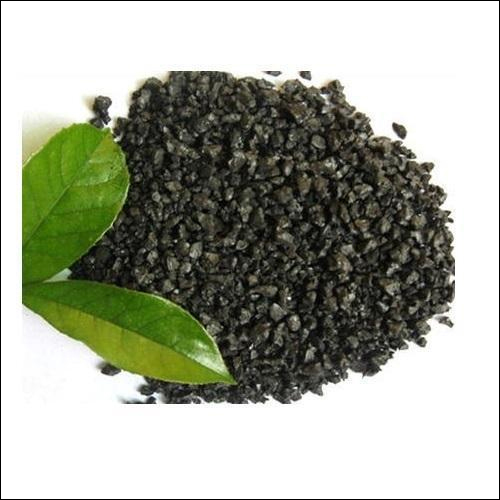
Potasium Humate Crystal
CAS No : 68514283
EINECS No : 2710301
Usage : Used in agriculture to improve soil structure and fertility
Smell : Other, Odorless
Purity : 95% min
Molecular Weight : 274.36 g/mol
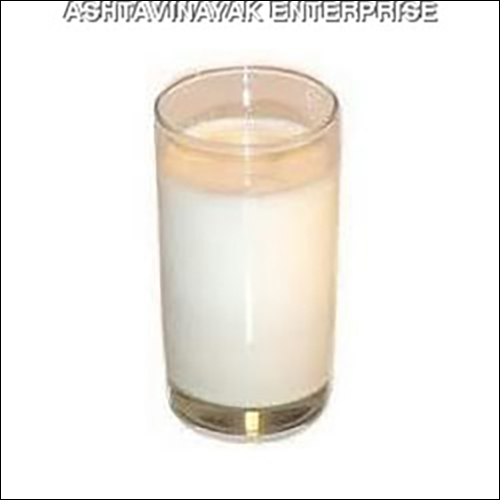
Nitrobenzene Flower Booster
CAS No : 98953
EINECS No : 2027160
Usage : Dilute with water as per specified concentration and apply to plants during flowering stages
Smell : Other, Intense almondlike odor
Purity : 99%
Molecular Weight : 123.11 g/mol

 Send Inquiry

B-27, Shantisagar Apt, Nehru Road, Savarkar Lane, Dombivli (East), Thane - 421201, Maharashtra, India

Mr. Mehul Mehta
(Proprietor)
Mobile :08045816760
 Send Inquiry
 Send SMS
Developed and Managed by Infocom Network Private Limited.
