
Call us now :08045816760
 Send Inquiry
 Send Inquiry
Seaweed leave
MOQ : 100 Kilograms
Seaweed leave Specification
- Ingredients
- 100% Dried Seaweed Leaves
- Molecular Weight
- Varies depending on polysaccharide content
- Smell
- Fresh sea aroma
- Shelf Life
- 24 months
- Structural Formula
- Polysaccharide main structure: (C6H10O5)n
- Shape
- Whole, flat leaf
- HS Code
- 12122100
- Physical Form
- Leaf
- Taste
- Mildly salty, umami
- Melting Point
- Decomposes before melting
- Appearance
- Dark green to brown dried leaves
- Molecular Formula
- Varies, major constituents C6H10O5 (polysaccharides)
- Grade
- Food Grade
- Poisonous
- NO
- Storage
- Store in a cool, dry place away from direct sunlight
- Purity
- 98% min.
- Solubility
- Insoluble in water as whole leaf; swells and softens
- Application
- Food, cosmetics, fertilizer, pharmaceuticals
- Usage
- Edible food, seaweed salad, sushi wrapping, soup flavoring, soil conditioner
- Moisture Content
- Below 12%
- Fiber Content
- High Dietary Fiber
- Heavy Metals
- Complies with food safety standards
- Microbiological Status
- Free from pathogenic bacteria
- Allergen Information
- Free from major allergens
Seaweed leave Trade Information
- Minimum Order Quantity
- 100 Kilograms
- Payment Terms
- Cheque
- Delivery Time
- 1 Days
- Sample Available
- Yes
- Sample Policy
- Free samples are available
- Main Export Market(s)
- Australia, North America, Eastern Europe, South America, Africa, Central America, Middle East, Western Europe, Asia
- Main Domestic Market
- All India
About Seaweed leave
Seaweed
Composition and Properties:| Particulars | Contents |
| Colour | Blakish |
| Odour | Marine Like |
| Solubility | 100% |
| Organic Matter | 55-60% |
| Total Nitrogen | 0.6-0.8% |
| Phosphorous ( P2O5 ) | 6-8% |
| Potassium( K2O ) | 18.0-21.0 % |
| Ca | 0.15-0.2% |
| Cu | 1-6ppm |
| Fe | 50-200ppm |
| Mg | 0.2-0.6% |
| Na | 2.2-3.2% |
| I | 300-400ppm |
| Alginic Acid | 10-12% |
| Other Active Substances | Amino Acids, Alginic Acid, Mannitol, Betains, Auxins, Cytokinin, Gibberellin. |
Advantages
- Improves blossom and fruit set.
- Thickens, enlarges and balances the leaf growth, supply well-balanced crop nutrients.
- Helping plants to endure environmental stress.
- Promoting the development of shoots and roots & stimulates cell division, thereby improve the fruit size.
Exceptional Purity & Food Safety
Our seaweed leaves meet rigorous food safety standards, ensuring they are free from major allergens, pathogenic bacteria, and heavy metals. With a purity level of at least 98%, these leaves present outstanding quality, making them reliable for consumption and various industrial applications. Each leaf offers peace of mind through consistent compliance with international safety regulations.
Rich in Dietary Fiber & Nutrients
Packed with high dietary fiber and essential trace elements, our seaweed leaves contribute to digestive wellness and general health. The whole, flat leaf structure helps retain nutrients, while the predominant polysaccharides support beneficial gut health. Their nutrient-dense properties make them an ideal addition to a balanced diet or as a functional ingredient in multiple industries.
Versatile in Usage & Applications
These dried seaweed leaves are perfect for a range of uses including edible foods like salads, sushi, and soups, as well as in cosmetics, fertilizers, and pharmaceuticals. Their mildly salty, umami flavor and appealing aroma bring authentic taste to culinary creations, while their beneficial compounds enhance soil and cosmetic products. Store away from direct sunlight to retain freshness for up to two years.
FAQs of Seaweed leave:
Q: How are seaweed leaves processed to maintain food safety and quality?
A: Seaweed leaves are carefully harvested, cleaned, and dried under controlled conditions to limit moisture content below 12%. Rigorous quality checks ensure the absence of pathogenic bacteria and heavy metals, guaranteeing compliance with international food safety standards.Q: What are the main culinary applications of these dried seaweed leaves?
A: These seaweed leaves are commonly used in seaweed salads, sushi wrapping, and as a flavor enhancer in soups and broths. Their mildly salty, umami taste and fresh sea aroma make them a desirable ingredient in various traditional and modern dishes.Q: When should I use seaweed leaves for soil or cosmetic purposes?
A: Seaweed leaves can be incorporated into soil as a conditioner during planting or growing seasons for improved soil health. In cosmetics, theyre suitable for formulations that require nourishing, natural sea minerals and fibers, and can be used whenever a sustainable, marine-based ingredient is needed.Q: Where should the seaweed leaves be stored to preserve freshness?
A: Store the seaweed leaves in a cool, dry environment away from direct sunlight. Proper storage conditions help maintain their taste, aroma, and nutrient content, extending their shelf life to up to 24 months.Q: What is the benefit of the high dietary fiber content in seaweed leaves?
A: High dietary fiber in these seaweed leaves supports healthy digestion, may contribute to improved gut health, and can help maintain regularity. Including them in your diet can offer an easy way to boost daily fiber intake and support overall wellness.Q: How can I use seaweed leaves safely in food and non-food applications?
A: Seaweed leaves are edible and suitable for salads, sushi, or soup flavoring. For non-food uses, like fertilizers or cosmetics, simply integrate them into your formulations according to your application needs, taking advantage of their purity and trace mineral content.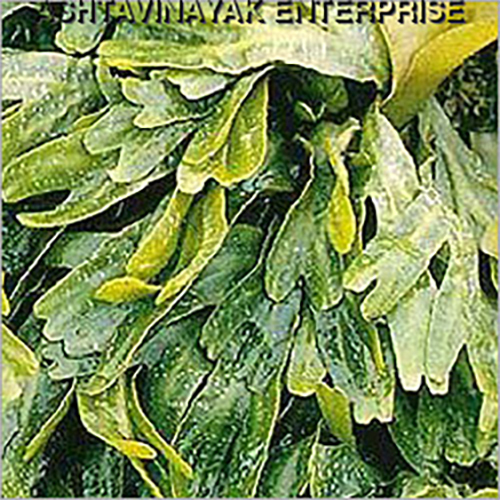
Tell us about your requirement

Price:
Quantity
Select Unit
- 50
- 100
- 200
- 250
- 500
- 1000+
Additional detail
Mobile number
Email

More Products in Agro Chemicals & Fertilizers Category
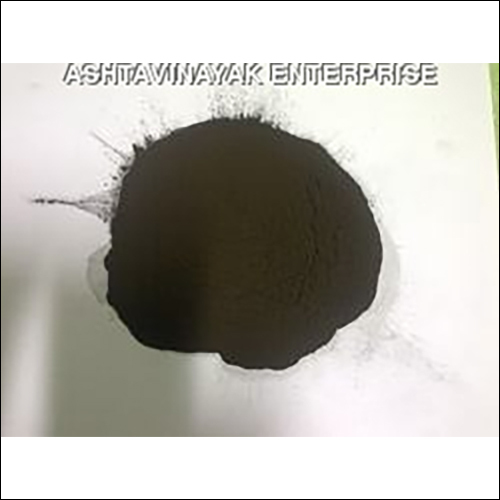
Organic Humic Acid Powder
CAS No : 1415936
EINECS No : 2158096
Application : Other , Soil enrichment agriculture horticulture
Usage : Used to improve soil structure nutrient absorption and organic content
Properties : High organic matter content highly biodegradable improves nutrient availability
Purity : 90% minimum humic acid content

Humic Acid
CAS No : 1415936
EINECS No : 2158096
Application : Other , Soil conditioner plant growth stimulant water treatment animal feed additive
Usage : Used in agriculture horticulture and environmental remediation
Properties : High cationexchange capacity enhances nutrient uptake in plants
Purity : Varies depending on grade typically 5080%
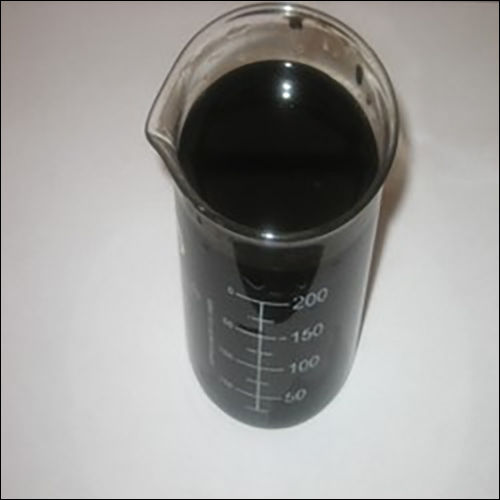
Liquid Humic Acid
CAS No : 1415936
EINECS No : 2158096
Application : Agriculture horticulture soil improvement water retention, Other
Usage : As a soil conditioner plant growth enhancer fertilizer additive
Properties : High water retention promotes soil health enhances nutrient absorption
Purity : 10% 12% humic acid content
Zinc Sulphate Heptahydrate
CAS No : 7446200
EINECS No : 2317933
Application : Agriculture (fertilizer) pharmaceutical water treatment animal feed supplement chemical reagent, Other
Usage : Used to correct zinc deficiencies in crops as a dietary supplement in cosmetics and in industrial processes
Properties : White crystals or crystalline powder; deliquescent in moist air
Purity : 9899%

 Send Inquiry

B-27, Shantisagar Apt, Nehru Road, Savarkar Lane, Dombivli (East), Thane - 421201, Maharashtra, India

Mr. Mehul Mehta
(Proprietor)
Mobile :08045816760
 Send Inquiry
 Send SMS
Developed and Managed by Infocom Network Private Limited.
