
Call us now :08045816760
 Send Inquiry
 Send Inquiry
Humic Acid
Humic Acid Specification
- Shape
- Powder granules or liquid form
- Structural Formula
- Complex organic macromolecule; no fixed structural formula
- Purity
- Varies depending on grade typically 50-80%
- Properties
- High cation-exchange capacity enhances nutrient uptake in plants
- Solubility
- Partially soluble in water soluble in alkaline solutions
- Ph Level
- 3.5-6.5 (in solution)
- Storage
- Store in a cool dry place away from direct sunlight
- HS Code
- 382490
- Appearance
- Dark brown to black in color
- Shelf Life
- 2-3 years if stored properly
- EINECS No
- 215-809-6
- Molecular Weight
- Variable
- Application
- Soil conditioner plant growth stimulant water treatment animal feed additive
- Taste
- Earthy
- Molecular Formula
- Variable composition (complex organic molecule)
- Ingredients
- Derived from decomposed organic matter primarily plant residues
- CAS No
- 1415-93-6
- Density
- 1.5 Gram per cubic centimeter(g/cm3)
- Physical Form
- Powder granules or liquid
- Grade
- Agricultural industrial
- Melting Point
- Decomposes upon heating
- Smell
- Earthy odor
- Poisonous
- NO
- Usage
- Used in agriculture horticulture and environmental remediation
About Humic Acid
Humic Acid
Humic Acid supplied by Aquatic Chemicals is used as a soil enhancer. Humic Acid helps to increase the crop yield, improves the fertility of soil , stimulate plant enzymes and hormones and are environmental friendly. You can apply humic acid directly to the soil. These are widely used for agricultural uses and are extremely useful for both plant and soil and speed up the seed germination.
Powerful Soil Conditioner and Growth Promoter
Humic acids robust cation-exchange capacity plays a vital role in soil enrichment. It enables efficient nutrient absorption by plants, resulting in better yields and healthier growth. Its use as a soil conditioner revitalizes degraded land and supports sustainable agriculture.
Versatile Applications Across Industries
This organic compound is extensively utilized not only in agriculture and horticulture but also serves as a water purifier and animal feed additive. Its utility spans environmental remediation processes, benefiting various sectors with its natural composition and nutrient-boosting actions.
Safe, Stable, and Environmentally Friendly
With no poisonous properties and an eco-conscious origin, humic acid offers an environmentally sustainable option for industries. Its earthy smell, safe handling properties, and variable grades ensure it meets diverse user needs while maintaining environmental integrity.
FAQs of Humic Acid:
Q: How does humic acid benefit plant growth and soil health?
A: Humic acid enhances cation-exchange capacity in soil, making essential nutrients more available to plant roots. This leads to stronger plant growth, higher yields, improved soil structure, and greater resilience to environmental stress.Q: What are the recommended storage conditions for humic acid products?
A: To preserve its quality and extend shelf life, humic acid should be stored in a cool, dry place away from direct sunlight and moisture. Proper storage helps maintain its effectiveness for up to 23 years.Q: When should humic acid be applied for best results in agriculture?
A: Humic acid can be applied during soil preparation, planting, or crop growth stages. Regular application throughout the growing season supports continual nutrient uptake and soil conditioning.Q: Where is humic acid most commonly used?
A: Humic acid finds extensive use in agriculture and horticulture for soil and plant health, but is also employed in water treatment, environmental remediation, and as an additive in animal feed.Q: What is the main process behind the production of humic acid?
A: Humic acid is extracted from decomposed organic matter, primarily plant residues, through processes such as alkaline extraction, resulting in a complex organic macromolecule with variable composition.Q: Is humic acid considered safe for use around livestock and food crops?
A: Yes, humic acid is non-poisonous and safe when used as directed. It is commonly included in animal feeds and applied to soils for edible crops, without toxic side effects.Q: What forms and grades of humic acid are available from suppliers in India?
A: Suppliers in India offer humic acid in powder, granules, or liquid forms, with agricultural and industrial grades available. Purity typically ranges from 50% to 80%, depending on the intended application.
Tell us about your requirement

Price:
Quantity
Select Unit
- 50
- 100
- 200
- 250
- 500
- 1000+
Additional detail
Mobile number
Email

More Products in Agro Chemicals & Fertilizers Category
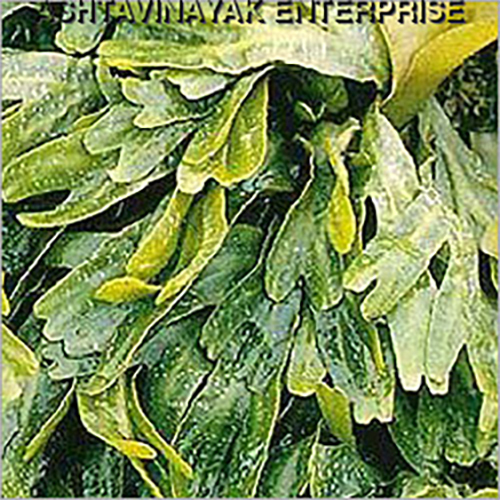
Seaweed leave
Ingredients : 100% Dried Seaweed Leaves
Taste : Other, Mildly salty, umami
Molecular Formula : Varies, major constituents C6H10O5 (polysaccharides)
Application : Other , Food, cosmetics, fertilizer, pharmaceuticals
Smell : Other, Fresh sea aroma
Usage : Edible food, seaweed salad, sushi wrapping, soup flavoring, soil conditioner
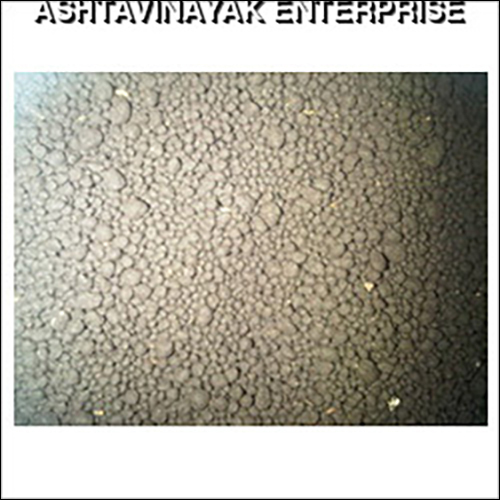
Granular Humic Acid
Ingredients : Humic Acid Fulvic Acid Minerals
Taste : Other, Neutral
Molecular Formula : Not Applicable
Application : Other , Soil conditioner plant growth enhancer
Smell : Other, Earthy
Usage : Agricultural use as a soil amendment or fertilizer additive
Super Potassium Humate
Ingredients : Potassium Humate, Humic Acid, Fulvic Acid
Taste : Odorless
Molecular Formula : C9H8K2O4
Application : Other , Soil conditioner, plant growth stimulant, organic fertilizer
Smell : Other, Earthy, natural
Usage : Applied to soil or mixed with irrigation water
Bentonite Roasted Granules
Ingredients : Bentonite clay (primarily montmorillonite)
Taste : Other, Bentonite Roasted Granules are tasteless.
Molecular Formula : Al2H2Na2O13Si4
Application : Used as a carrier in agrochemicals pesticides and fertilizers; also utilized in oil drilling and as an absorbent., Other
Smell : Other, Odorless
Usage : Commonly used in agriculture for controlled release of fertilizers and pesticides.

 Send Inquiry

B-27, Shantisagar Apt, Nehru Road, Savarkar Lane, Dombivli (East), Thane - 421201, Maharashtra, India

Mr. Mehul Mehta
(Proprietor)
Mobile :08045816760
 Send Inquiry
 Send SMS
Developed and Managed by Infocom Network Private Limited.
