
Call us now :08045816760
 Send Inquiry
 Send Inquiry
Potassium Hydroxide Flakes
Potassium Hydroxide Flakes Specification
- Shelf Life
- 12 months under proper storage conditions
- Molecular Formula
- KOH
- Appearance
- White flakes
- Density
- 2.12 Gram per cubic centimeter(g/cm3)
- Molecular Weight
- 56.11 g/mol
- HS Code
- 28152000
- Properties
- Hygroscopic strongly alkaline reacts with water and acids.
- Ingredients
- Potassium hydroxide (KOH) small impurities of potassium carbonate or potassium chloride
- Usage
- Used as a strong base in laboratories in cleaning products and as a stabilizer in various industries
- Ph Level
- 13-14 (when dissolved in water)
- Poisonous
- YES
- Melting Point
- 406C
- Solubility
- Highly soluble in water ethanol and methanol
- Grade
- Technical Grade
- Purity
- 90%
- Shape
- Flat flakes
- EINECS No
- 215-181-3
- CAS No
- 1310-58-3
- Taste
- Bitter caustic
- Storage
- Store in a tightly closed container in a dry well-ventilated area away from acids and moisture
- Structural Formula
- K-O-H
- Application
- Soap & detergent production biodiesel manufacturing water treatment and chemical processing
- Smell
- Odorless
About Potassium Hydroxide Flakes
We are a noteworthy manufacturer and exporter of premium quality Potassium Hydroxide Flakes that are prepared by neutralization reactions involving KOH. To ensure long shelf life and precise pH value, the offered chemicals are tested on various parameters by our quality controllers. These are available in various packaging options to meet the diverse needs of the clients. Our Potassium Hydroxide Flakes are highly appreciated for their purity, effectiveness and accurate composition.
Powerful Reactivity and Applications
Potassium Hydroxide Flakes exhibit strong alkalinity and a robust ability to react with water and acids, making them invaluable across various industrial sectors. Their primary uses include manufacturing soaps and detergents, processing chemicals, refining biodiesel, and treating water. The substances effectiveness resides in its capacity to neutralize acids and break down organic materials, greatly benefiting industries where reliable, consistent results are vital.
Safe Handling and Storage Recommendations
Due to its hygroscopic nature and strong alkalinity, Potassium Hydroxide Flakes should be tightly sealed in a dry and well-ventilated area, away from acids and sources of moisture. Direct contact or inhalation should be avoided as the flakes are caustic and poisonous. Choosing the right storage practices ensures product integrity, prevents hazardous reactions, and sustains a shelf life of 12 months under optimal conditions.
FAQs of Potassium Hydroxide Flakes:
Q: How should Potassium Hydroxide Flakes be safely stored to maintain their quality?
A: Potassium Hydroxide Flakes should be stored in tightly closed containers within a dry, well-ventilated area, away from acids and moisture. This prevents the flakes from absorbing water or reacting with incompatible materials, which could compromise their integrity and effectiveness.Q: What are the typical uses of Potassium Hydroxide Flakes in industry?
A: These flakes are predominantly used in producing soaps and detergents, manufacturing biodiesel, water treatment processes, and chemical processing. Their strong alkalinity also makes them a reliable stabilizer in laboratories and various industrial applications.Q: When does Potassium Hydroxide lose its effectiveness?
A: Under proper storage conditions, Potassium Hydroxide Flakes have a shelf life of approximately 12 months. Exposure to moisture or acids shortens their shelf life and can diminish their reactivity and purity.Q: Where are Potassium Hydroxide Flakes commonly applied in manufacturing?
A: They are widely used in India and globally in sectors such as soap and detergent production, chemical synthesis, biodiesel manufacturing, and water treatment, thanks to their strong base properties and high solubility.Q: What is the process for dissolving Potassium Hydroxide Flakes?
A: To dissolve the flakes, gradually add them to water while stirring with caution, as the reaction is exothermic and releases heat. They dissolve readily and completely due to their high solubility, producing a highly alkaline solution.Q: How does using Potassium Hydroxide Flakes benefit cleaning product formulations?
A: Their powerful alkalinity and caustic nature allow them to efficiently break down fats, oils, and organic residues, making them ideal for effectiveness in cleaning and degreasing applications.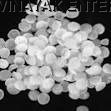
Tell us about your requirement

Price:
Quantity
Select Unit
- 50
- 100
- 200
- 250
- 500
- 1000+
Additional detail
Mobile number
Email

More Products in General Chemicals Category

Potassium Hydroxide Powder
Minimum Order Quantity : 100 Kilograms
Physical Form : Powder
Ingredients : Potassium Hydroxide (KOH)
Poisonous : Other, Yes, corrosive
Usage : For industrial and chemical processes; always handle with proper protective equipment
Shelf Life : 24 months in proper storage conditions
Nitrobenzene Compound
Physical Form : Liquid
Ingredients : Nitrobenzene
Poisonous : YES
Usage : Industrial use for chemical synthesis dyes and rubber chemicals
Shelf Life : 24 months if stored under recommended conditions
Caustic Potash Flakes
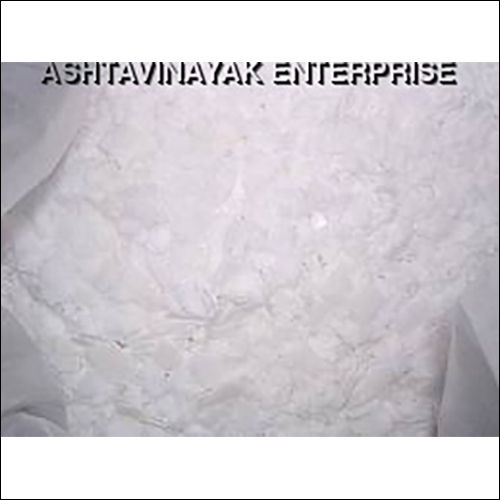
Physical Form : Other, Flakes
Ingredients : Potassium Hydroxide (KOH)
Poisonous : YES
Usage : Used as a strong base in industrial applications and as a cleaning agent or reactant in chemical processes
Shelf Life : 2 years when stored properly
Potassium Hydroxide Powder
Physical Form : Powder or solid flakes, Other
Ingredients : Potassium hydroxide (KOH) with varying purity levels depending on the grade
Poisonous : Other, Yes corrosive and hazardous upon ingestion or contact
Usage : Commonly used for absorbing moisture in desiccants neutralizing acids and synthesizing various potassium compounds
Shelf Life : Stable under recommended storage conditions; avoid prolonged exposure to air

 Send Inquiry

B-27, Shantisagar Apt, Nehru Road, Savarkar Lane, Dombivli (East), Thane - 421201, Maharashtra, India

Mr. Mehul Mehta
(Proprietor)
Mobile :08045816760
 Send Inquiry
 Send SMS
Developed and Managed by Infocom Network Private Limited.
