
Call us now :08045816760
 Send Inquiry
 Send Inquiry
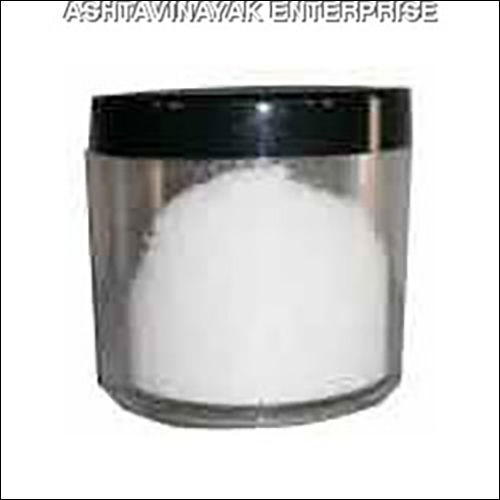
Amino Acid
Amino Acid Specification
- Molecular Weight
- Varies between 75-204 g/mol depending on the amino acid
- Refractive Rate
- N/A (solid amino acids typically do not exhibit refractive properties)
- Purity
- >98% (varies depending on the application)
- Usage
- As a dietary supplement flavor enhancer or as a raw material in protein synthesis research
- Ingredients
- Pure amino acid or amino acid mixtures
- Ph Level
- Neutral to slightly acidic (varies between 5-7 in water)
- EINECS No
- Varies by amino acid (e.g. 200-294-2 for glycine)
- Density
- 1.40 Gram per cubic centimeter(g/cm3)
- Shape
- Amorphous or crystalline form dependent on individual amino acid
- CAS No
- Varies by amino acid (e.g. 56-87-1 for leucine)
- Molecular Formula
- Varies based on the amino acid type (e.g. C6H14N2O2 for lysine)
- HS Code
- 292249 (Harmonized code for amino acids and derivatives)
- Shelf Life
- Typically 2-3 years when stored correctly
- Application
- Used in pharmaceuticals dietary supplements food industries and animal feed
- Properties
- Essential biomolecules building blocks of proteins and precursors for biosynthetic pathways
- Storage
- Store in a cool dry place away from moisture and direct sunlight
- Poisonous
- NO
- Grade
- Food Grade Pharmaceutical Grade and Feed Grade
- Appearance
- White to off-white powder
- Melting Point
- Usually above 200C (varies based on the amino acid)
- Structural Formula
- Varies based on the amino acid (e.g. H2N-CHR-COOH where R is the side chain)
- Taste
- Slightly sweet or neutral
- Physical Form
- Crystalline powder
- Solubility
- Soluble in water sparingly soluble in ethanol
- Smell
- Odorless
About Amino Acid
Amino acid
Our company also offers Amino Acid 20% Liquid - Soya Based, which helps in maximizing the protein synthesis in various agricultural as well as horticultural crops by providing a swift and effective boost of amino acids. It is attributed with accurate composition and effective work ability. There are certain advantages of using Amino Acid 20% Liquid - Soya Based such as:
- It improves the health and the yield quality of the crop as well
- Amino Acid 20% Liquid Soya Based is processed with enzyme to preserve effectiveness of protein intact.
High-Purity Amino Acids for Multiple Industries
Our amino acids meet stringent purity standards, with grades including Food Grade, Pharmaceutical Grade, and Feed Grade. They serve as essential ingredients in dietary supplements, pharmaceuticals, food processing, and animal feed, providing a versatile solution for your nutritional and research needs.
Physical Properties and Forms
Amino acids are presented as white to off-white powders, available in crystalline or amorphous forms according to specific types. They are odorless, possess a neutral to slightly acidic pH, and have a density of 1.40 g/cm. Their appearance allows for easy handling and diverse applications.
Applications and Benefits
Amino acids act as the foundation of protein structure, support biosynthetic pathways, and enable flavor enhancement. Widely used as supplements, they contribute to health, wellness, and efficient feed formulations. Their versatility and bioavailability make them indispensable across pharmaceuticals, food, and animal nutrition industries.
FAQs of Amino Acid:
Q: How should amino acids be stored to ensure maximum shelf life and purity?
A: Amino acids should be kept in a cool, dry place, protected from moisture and direct sunlight. Proper storage conditions typically maintain their stability and purity for 23 years.Q: What are the typical uses of amino acids in food and pharmaceutical industries?
A: Amino acids are widely used as dietary supplements, flavor enhancers, and raw materials in protein synthesis research. They are essential for nutritional formulations in both food and pharmaceutical sectors.Q: When is it beneficial to incorporate amino acids into animal feed?
A: Amino acids are crucial in animal feed to enhance protein content, support growth, and improve overall health. Incorporating them optimizes nutritional value and efficiency in livestock diets.Q: Where are these amino acids sourced and supplied from?
A: These amino acids are available through exporters, importers, manufacturers, suppliers, and traders based in India, ensuring reliable supply for both domestic and international needs.Q: What is the process for determining the suitability of amino acids for a specific application?
A: Suitability is determined by evaluating the amino acids grade, purity (>98%), physical properties, and intended usage. Application requirementssuch as food, feed, or pharmaceutical gradewill guide the selection process.Q: What are the main benefits of using high-purity amino acids?
A: High-purity amino acids provide consistent quality, safety, and effectiveness in formulations, supporting optimal health, precise research outcomes, and enhanced product value in food and pharmaceutical applications.Q: Are amino acids considered poisonous or hazardous when handled?
A: No, they are non-poisonous and generally safe to handle when used as directed. Standard laboratory precautions are recommended for safe use.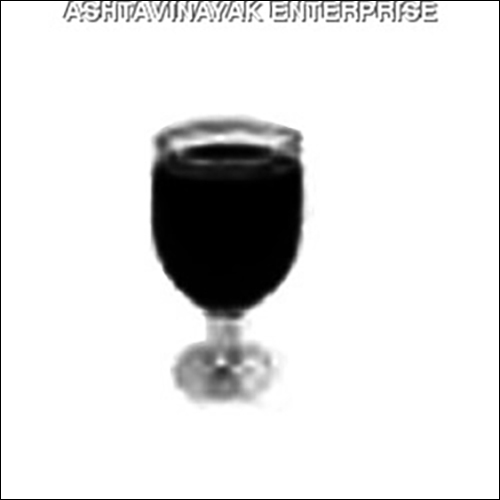
Tell us about your requirement

Price:
Quantity
Select Unit
- 50
- 100
- 200
- 250
- 500
- 1000+
Additional detail
Mobile number
Email

More Products in Agro Chemicals & Fertilizers Category
Nitrobenzene Emulsifier
Smell : Other, Mild
Appearance : Pale yellow liquid
Physical Form : Liquid
Solubility : Soluble in water and nitrobenzene
Poisonous : NO
Grade : Technical Grade
Super Potassium Humate
Smell : Other, Earthy, natural
Appearance : Black fine powder or shiny flakes
Physical Form : Other, Powder / Flakes / Granules
Solubility : 100% water soluble
Poisonous : NO
Grade : Agricultural Grade / Industrial Grade
Fulvic Acid Powder
Smell : Other, Odorless
Appearance : Brown Fine Powder
Physical Form : Powder
Solubility : Highly soluble in water
Poisonous : Other, NonPoisonous
Grade : Agricultural Grade
Nitrobenzene Emulsifier - AC 2010 P Special
Smell : Other, Bitter almondlike odor
Appearance : Clear yellow to brown liquid
Physical Form : Liquid
Solubility : Slightly soluble in water soluble in organic solvents
Poisonous : YES
Grade : Industrial grade

 Send Inquiry

B-27, Shantisagar Apt, Nehru Road, Savarkar Lane, Dombivli (East), Thane - 421201, Maharashtra, India

Mr. Mehul Mehta
(Proprietor)
Mobile :08045816760
 Send Inquiry
 Send SMS
Developed and Managed by Infocom Network Private Limited.
